
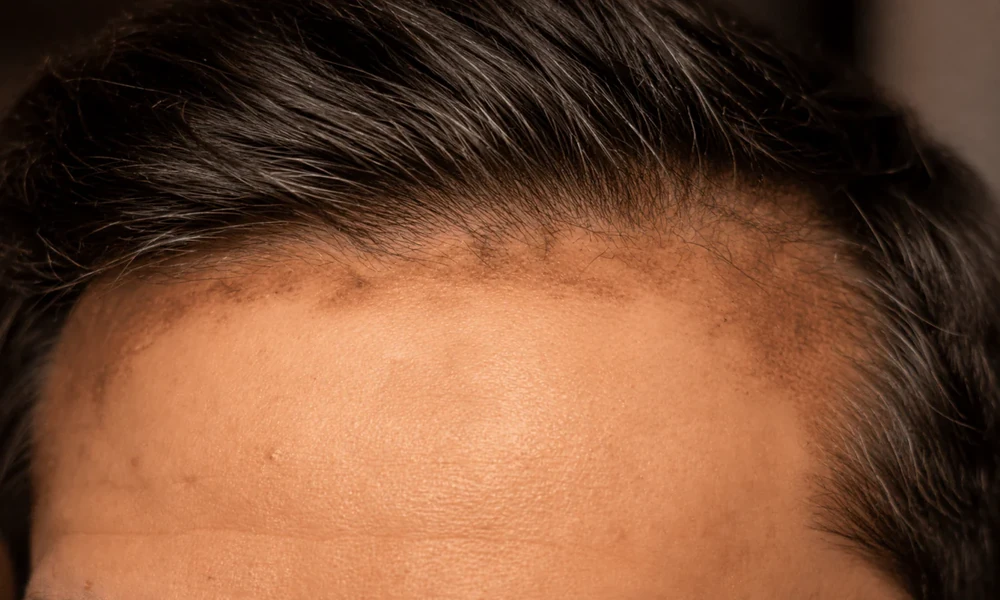
Most people view acne and hair thinning as completely separate concerns. One affects the skin, while the other impacts the scalp and hair. Yet researchers have discovered that these conditions may share more in common than many realize. Inflammation, a natural response designed to protect the body, appears to play a role in both acne development and certain forms of hair thinning.
This growing understanding has shifted attention toward overall skin and scalp health rather than focusing only on visible symptoms. As interest in non-invasive wellness technologies expands, products such as a Red Light Therapy mask have become part of broader conversations about supporting healthy skin and scalp environments. While these devices are not treatments for every condition, they reflect the increasing focus on factors that influence cellular health and inflammation.
Understanding the biological overlap between acne and hair thinning can help explain why some individuals experience both concerns at the same time and why managing inflammation may benefit overall skin and hair wellness.
Key Takeaways
- Inflammation plays an important role in both acne and certain forms of hair thinning.
- Similar inflammatory signals can affect skin follicles and hair follicles.
- Lifestyle factors such as stress, diet, and sleep may influence inflammatory activity.
- Managing inflammation may support healthier skin and scalp conditions.
- Researchers continue to study light-based technologies and their relationship to skin and hair health.
Why Inflammation Matters More Than Many People Think
Inflammation often gets a bad reputation, but it serves an essential purpose. It helps the body respond to injury, infection, and other challenges.
Problems arise when inflammatory activity becomes excessive or remains active longer than necessary. Chronic low-grade inflammation can affect multiple systems throughout the body, including the skin and scalp.
Researchers have identified inflammatory processes in acne lesions as well as in certain forms of hair thinning. Although the symptoms look very different, some of the underlying biological pathways show surprising similarities.
The Connection between Acne and Hair Follicles
Acne develops when hair follicles become clogged with oil, dead skin cells, and other debris. This creates an environment where inflammation can increase.
As the body’s immune system responds, redness, swelling, and blemishes may appear.
Scientists have observed elevated levels of inflammatory molecules in acne-prone skin. These signaling molecules help coordinate the body’s response but can also contribute to visible skin irritation when present in excess.
The result is not simply a blocked pore. Acne often involves a complex inflammatory process occurring beneath the skin’s surface.
How Inflammation Influences Hair Thinning
Hair follicles are also sensitive to inflammatory activity. In certain types of hair thinning, researchers have found evidence of inflammation surrounding hair follicles. Over time, this environment may affect the normal growth cycle of hair.
When inflammation remains active, hair follicles may spend less time in the growth phase and more time in resting or shedding phases. This can contribute to reduced hair density and noticeable thinning.
While genetics and hormones remain major factors in many hair loss conditions, inflammation may influence how these factors affect individual follicles.
Shared Inflammatory Pathways
One reason researchers continue to study acne and hair thinning together is the presence of overlapping inflammatory signals.
Several immune-related molecules appear in research involving both conditions. These molecules help regulate the body’s defense mechanisms but may contribute to unwanted effects when levels become elevated.
For example, inflammatory responses can:
- Increase tissue irritation
- Influence cellular repair processes
- Affect follicle function
- Alter local skin environments
- Prolong inflammatory cycles
These shared pathways do not mean that acne directly causes hair thinning or vice versa. However, they highlight how inflammation can impact different tissues in similar ways.
Lifestyle Factors That Can Fuel Inflammation
Inflammation does not exist in isolation. Daily habits often influence inflammatory activity throughout the body.
Chronic Stress
Long-term stress can increase inflammatory signaling and affect both skin and scalp health.
Poor Sleep
Sleep supports recovery and repair. Inadequate sleep may contribute to higher levels of inflammation.
Dietary Patterns
Highly processed foods and diets lacking nutrient-rich ingredients may influence inflammatory balance.
Environmental Exposure
Pollution, UV radiation, and other environmental stressors can affect both the skin barrier and scalp environment.
Addressing these factors may help support healthier skin and hair over time.
How Light Exposure Is Being Studied in Skin and Hair Research
Celluma red light therapy is a light-based technology that has attracted interest in both skincare and wellness settings. The device delivers specific wavelengths of red and near-infrared light that researchers have studied for their effects on cellular activity.
Some healthcare and skincare professionals incorporate Celluma red light therapy into broader programs designed to support skin and scalp wellness. Ongoing research continues to examine how light-based technologies interact with biological processes related to inflammation and tissue function. While studies remain active in this area, experts generally recommend viewing such approaches as part of a comprehensive health strategy rather than a replacement for professional medical care.
Supporting Healthy Skin and Hair Together
Because inflammation may contribute to both acne and hair thinning, a whole-body approach often makes sense.
Helpful habits include:
These habits support overall wellness while helping create conditions that may benefit both skin and scalp health.
Final Thoughts
Acne and hair thinning may seem unrelated at first glance, but research continues to reveal important biological connections between them. Shared inflammatory pathways suggest that similar immune and cellular processes can influence both skin follicles and hair follicles.
While many factors contribute to these conditions, understanding the role of inflammation offers a more complete picture of how skin and hair health are interconnected. By focusing on overall wellness and healthy lifestyle habits, individuals can take meaningful steps toward supporting both clearer skin and healthier hair.
