
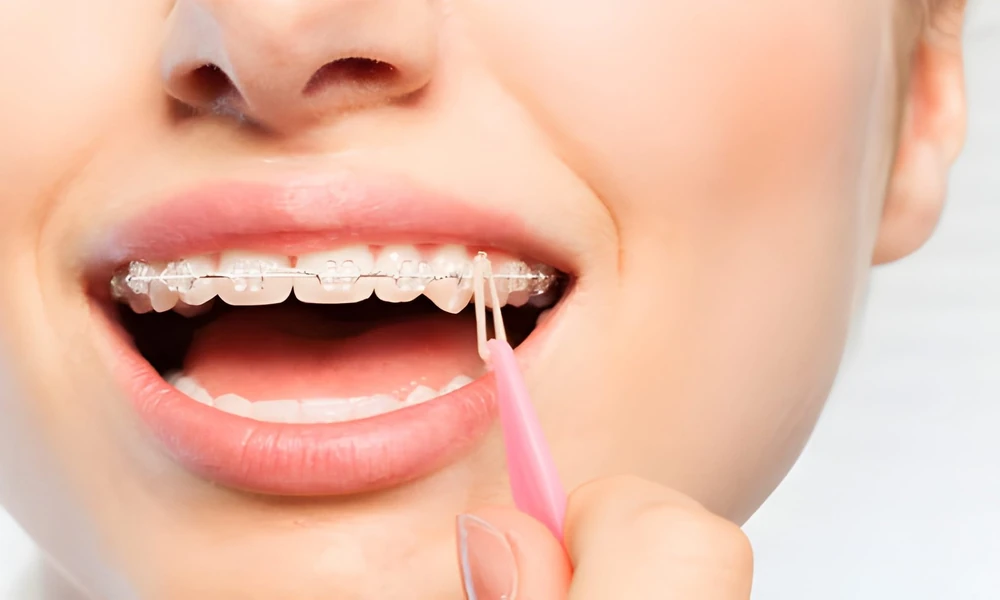
Braces are one of those things that can feel both exciting and intimidating. On one hand, you are working toward a healthier, straighter smile. On the other, you are committing to a treatment that changes your daily routine. Among the many options out there, ceramic braces stand out as a discreet alternative to traditional metal ones. Let us break down what they are really like, pros, cons, costs, and what you can expect along the way.
It helps to understand how they compare with traditional metal braces. If you are searching for clear ceramic braces Reston, you could book an appointment at Tisseront Orthodontics. Theyhelp patients explore their options based on their orthodontic needs, treatment goals, and aesthetic preferences. Ceramic braces are designed to blend more naturally with the teeth, making them an appealing choice for people who want a less noticeable treatment option.
What Are Ceramic Braces?
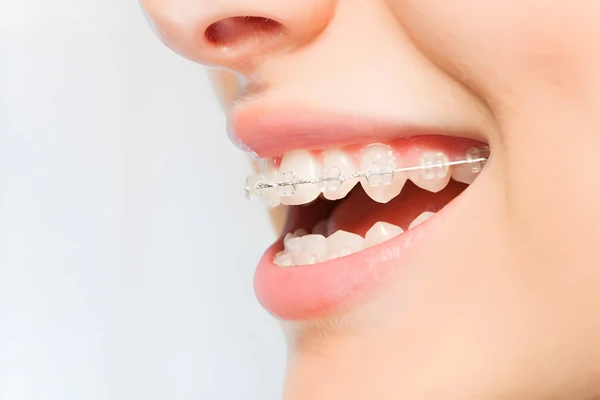
Ceramic braces work much like traditional metal braces, but the brackets are made of tooth‑colored or clear ceramic material. This makes them blend in with your smile, offering a more subtle look. They are especially popular among adults and teens who want effective treatment without the “metal mouth” appearance.
Pros of Ceramic Braces
- Discreet appearance: The brackets are less noticeable, which can boost confidence in social or professional settings.
- Effective alignment: They use the same mechanics as metal braces, meaning they can handle most orthodontic cases.
- Comfort factor: Many patients say ceramic brackets feel smoother against the lips and cheeks.
Cons of Ceramic Braces
- Fragility: Ceramic brackets are more prone to chipping or breaking compared to stainless steel.
- Staining risk: While the brackets themselves resist stains, the elastic ties can discolor if you are not careful with foods and drinks.
- Slightly longer treatment: In some cases, orthodontists may recommend a bit more time compared to metal braces, especially for complex corrections.
- Cost: Ceramic braces tend to be more expensive than traditional options.
How Much Do They Cost?
The cost of ceramic braces varies depending on location, complexity of treatment, and orthodontist expertise. On average, they can range from $4,000 to $8,000. Insurance may cover part of the expense, but many patients opt for payment plans to make the process manageable. It is worth discussing with your orthodontist to understand what is included, such as adjustments, retainers, or follow‑up visits.
What to Expect During Treatment
- Adjustment visits: Just like metal braces, you will need regular check‑ups to tighten wires and monitor progress.
- Diet changes: Crunchy or sticky foods can damage brackets, so you will need to be mindful of what you eat.
- Oral hygiene: Brushing and flossing become even more important to prevent staining and keep your teeth healthy.
- Treatment length: Most patients wear ceramic braces for 18-36 months, depending on their case.
Final Thoughts
Ceramic braces are a fantastic option if you want effective orthodontic treatment with a more discreet look. They are not perfect; fragility and cost are real considerations, but for many patients, the confidence boost is worth it. The key is working with an orthodontist who understands your lifestyle and dental needs.
