
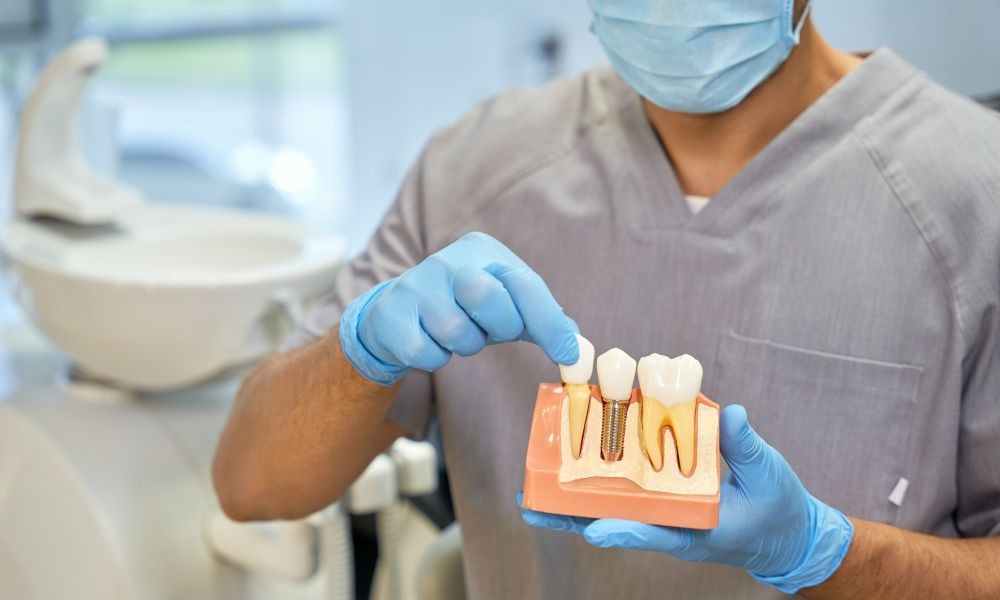
Tooth pain is a common yet distressing condition that affects individuals of all ages. In a large and diverse city like Houston, where access to dental care varies widely, many people initially rely on temporary remedies to manage discomfort. While these short-term solutions can provide relief, they often do not address the underlying cause.
Understanding the difference between temporary tooth pain relief and long-term dental solutions is essential for maintaining oral health and preventing complications.
Understanding Temporary Tooth Pain Relief
Temporary tooth pain relief focuses on managing symptoms rather than treating the root cause. These methods are commonly used when immediate dental care is not available or when individuals are trying to alleviate discomfort before visiting a dentist.
Over-the-counter pain relievers such as ibuprofen or acetaminophen are frequently used to reduce inflammation and dull pain. Cold compresses applied externally can help minimize swelling and numb the affected area. Saltwater rinses are another widely recommended approach, as they help cleanse the mouth and reduce bacterial presence.
In Houston, many residents turn to these quick remedies due to busy schedules or limited access to immediate care. According to dental health surveys, nearly 60% of adults attempt self-care methods before seeking professional treatment. While these approaches can offer short-term comfort, they do not eliminate infection, decay, or structural damage within the tooth.
Limitations of Short-Term Remedies
Although temporary relief methods can be helpful, their effectiveness is limited. Pain relief medications typically last only a few hours and must be used cautiously to avoid overuse. More importantly, these solutions do not address the underlying issue, which may continue to worsen over time.
For example, a cavity causing mild discomfort can progress into deeper decay affecting the tooth pulp if left untreated. Similarly, gum infections may spread and lead to more severe periodontal disease. In Houston, dental professionals often report that patients who delay treatment due to temporary relief measures eventually require more complex procedures.
Statistics from the American Dental Association indicate that untreated dental issues are a leading cause of emergency dental visits, many of which could have been prevented with early intervention.

The Importance of Long-Term Dental Solutions
Long-term solutions focus on diagnosing and treating the root cause of tooth pain. These treatments are essential for restoring oral health and preventing recurrence. Common long-term dental interventions include fillings for cavities, root canal therapy for infected pulp, and crowns for damaged teeth.
In cases of gum disease, professional cleaning and periodontal therapy may be required to control infection and protect supporting structures. These treatments not only relieve pain but also preserve the natural tooth whenever possible.
Preventive Care as a Long-Term Strategy
Prevention plays a critical role in reducing the need for both temporary relief and invasive treatments. Regular dental checkups, proper brushing and flossing, and a balanced diet contribute to long-term oral health.
Data from the Centers for Disease Control and Prevention suggest that nearly 90% of adults have experienced tooth decay at some point, yet many cases are preventable with consistent care. In Houston, community health initiatives continue to emphasize the importance of routine dental visits and early detection.
When to Transition from Temporary to Professional Care
Temporary relief should only serve as a short-term measure. Persistent tooth pain lasting more than a day or two, increasing sensitivity, or signs of infection such as swelling and fever indicate the need for immediate professional evaluation.
In Houston, delaying treatment can lead to more severe conditions, including abscesses or tooth loss. Dental experts recommend seeking care promptly to avoid complications and ensure effective treatment outcomes.
Final Takeaway
Temporary tooth pain relief methods can provide immediate comfort, but they are not a substitute for professional dental care. While these remedies may help manage symptoms, only long-term solutions can address the root cause and restore oral health.
